Capacity Building for Social Workers at FOSA and Schools in the Response to HIV in Cameroon
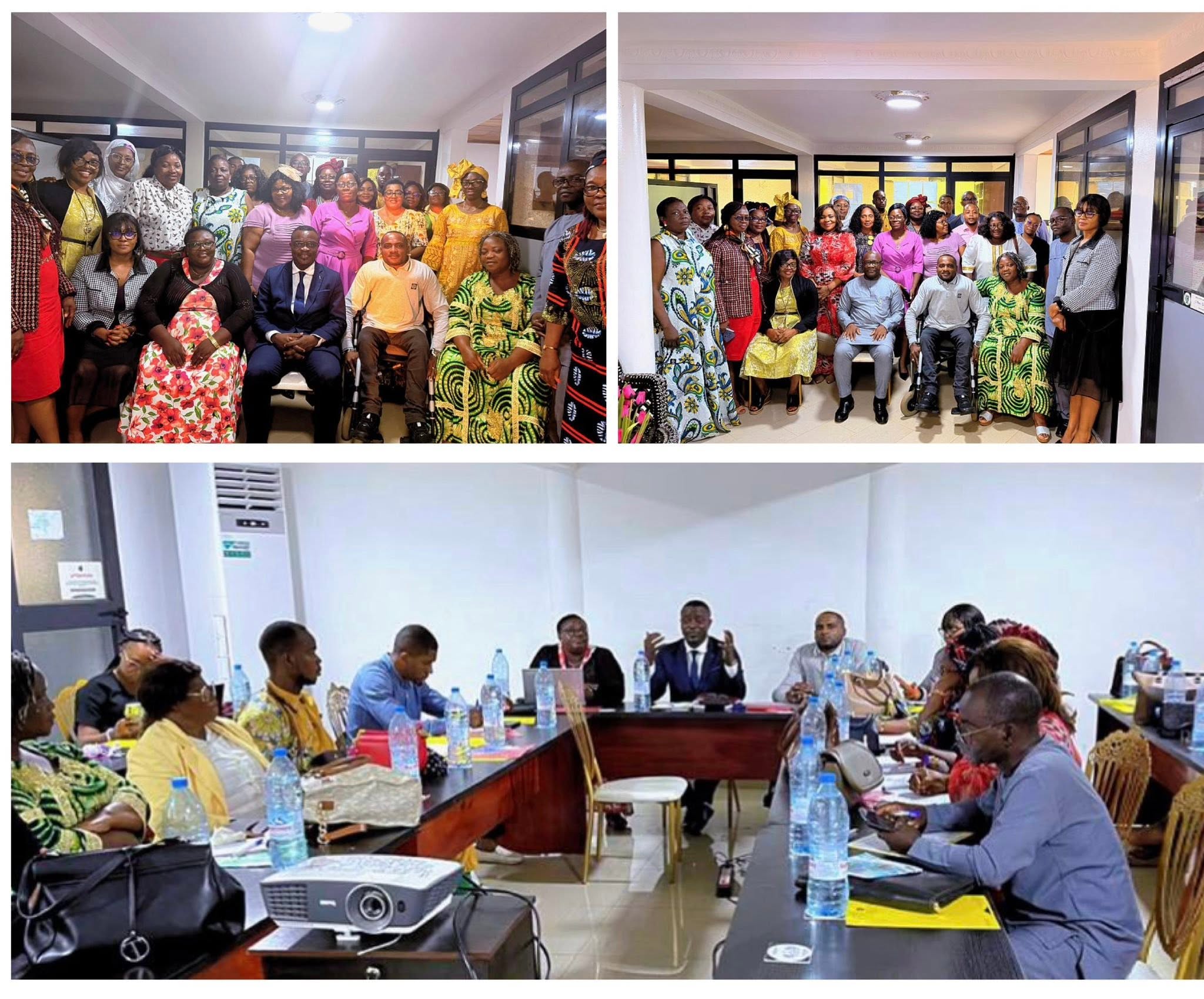
On April 29 and 30, 2026, a capacity-building session was held in Soa, following a letter from the Ministry of Public Health (MINSANTE) calling for greater involvement of social workers from health facilities (FOSAs) and schools.
This event brought together 25 participants, including 15 social workers from FOSAs and 10 from high schools in the city of Yaoundé. The main objective was to strengthen their skills regarding HIV/AIDS, psychosocial support, and care for people living with HIV (PLHIV), with a view to ensuring the sustainability and effectiveness of services.
At the heart of the discussions was the strategic role of social workers in prevention—particularly through awareness-raising efforts and the fight against stigma and discrimination—in both healthcare and school settings. Attention was also drawn to their role in providing psychosocial support to people living with HIV, a key factor in improving treatment adherence and the quality of life for those receiving care.
The speakers also emphasized the need to optimize current practices in order to address the shortcomings observed in achieving the first “95” target of the global HIV strategy, which relates to knowledge of HIV status.
In his remarks, the Permanent Secretary of the CNLS reiterated the importance of a multisectoral and inclusive approach to the HIV response in Cameroon. He emphasized that the limited involvement of social workers had previously been a constraint, but that this was now being addressed.
“Social workers are now on the front lines of the response,” they stated, calling for greater mobilization of these actors within community and institutional frameworks.
Speaking on behalf of the Minister of Social Affairs, the Central AIDS Focal Point at MINAS expressed the ministry’s deep concern for the human and social challenges associated with HIV. He emphasized the need to place people living with HIV at the center of interventions by strengthening responses that are inclusive, respectful of human rights, and tailored to the realities of vulnerable populations. He also commended the capacity-building initiative, which he views as a strategic lever for further professionalizing psychosocial support and improving the impact of actions on the ground.
Looking ahead, it was agreed that a monitoring and evaluation system would soon be implemented to build on the interventions carried out by participants and improve data reporting, with the aim of more effectively steering actions on the ground.
This event brought together 25 participants, including 15 social workers from FOSAs and 10 from high schools in the city of Yaoundé. The main objective was to strengthen their skills regarding HIV/AIDS, psychosocial support, and care for people living with HIV (PLHIV), with a view to ensuring the sustainability and effectiveness of services.
At the heart of the discussions was the strategic role of social workers in prevention—particularly through awareness-raising efforts and the fight against stigma and discrimination—in both healthcare and school settings. Attention was also drawn to their role in providing psychosocial support to people living with HIV, a key factor in improving treatment adherence and the quality of life for those receiving care.
The speakers also emphasized the need to optimize current practices in order to address the shortcomings observed in achieving the first “95” target of the global HIV strategy, which relates to knowledge of HIV status.
In his remarks, the Permanent Secretary of the CNLS reiterated the importance of a multisectoral and inclusive approach to the HIV response in Cameroon. He emphasized that the limited involvement of social workers had previously been a constraint, but that this was now being addressed.
“Social workers are now on the front lines of the response,” they stated, calling for greater mobilization of these actors within community and institutional frameworks.
Speaking on behalf of the Minister of Social Affairs, the Central AIDS Focal Point at MINAS expressed the ministry’s deep concern for the human and social challenges associated with HIV. He emphasized the need to place people living with HIV at the center of interventions by strengthening responses that are inclusive, respectful of human rights, and tailored to the realities of vulnerable populations. He also commended the capacity-building initiative, which he views as a strategic lever for further professionalizing psychosocial support and improving the impact of actions on the ground.
Looking ahead, it was agreed that a monitoring and evaluation system would soon be implemented to build on the interventions carried out by participants and improve data reporting, with the aim of more effectively steering actions on the ground.

Our Partners