When communication becomes a tool for saving babies
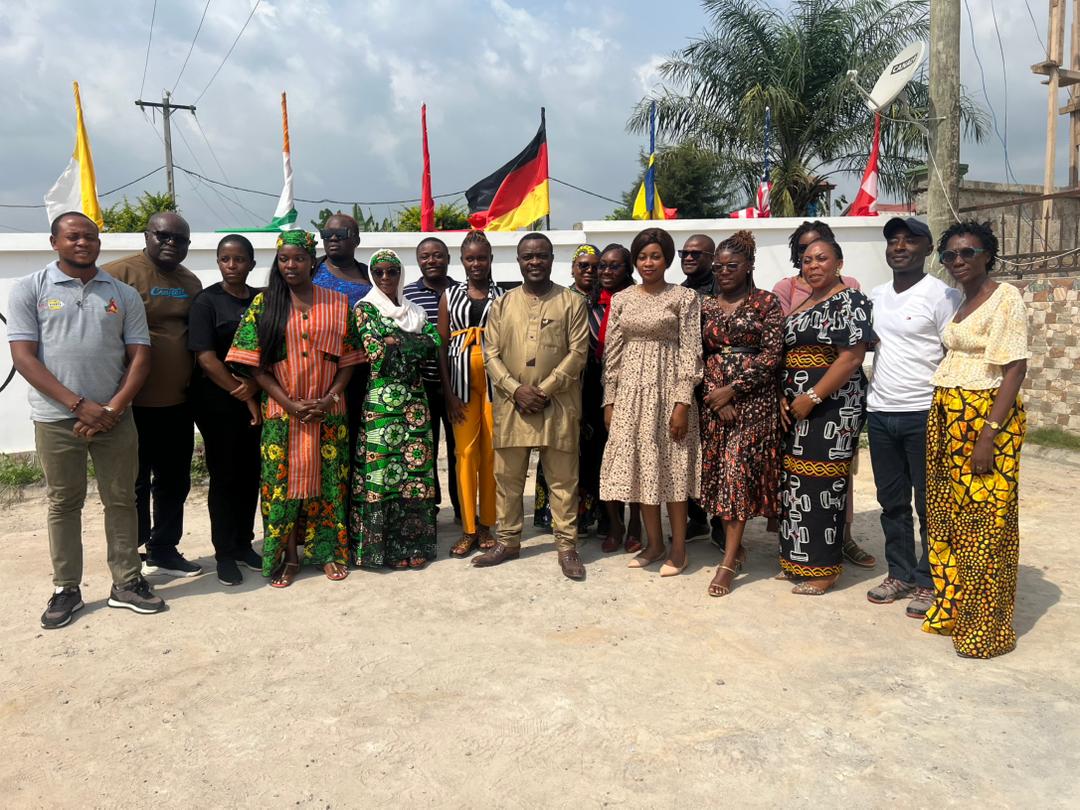
As part of the effort to combat mother-to-child transmission of HIV, syphilis, and hepatitis B, the National AIDS Control Committee (CNLS) trained community health workers from January 14 to 16, 2026, in Ebolowa, Southern Cameroon. This initiative aims to strengthen the dissemination of key awareness messages to communities, particularly regarding the importance of early prenatal consultations and community-based screening, in a context where these diseases continue to threaten maternal and child health in Cameroon
Over three days, communicators from diverse backgrounds were trained by the CNLS on the challenges of the triple vertical elimination of HIV, syphilis, and hepatitis B. The main objective of this training is to enable them to develop clear, tailored, and impactful messages capable of effectively reaching pregnant women, their partners, and the entire community.
Through interactive discussions and technical sessions, participants deepened their understanding of transmission mechanisms, prevention strategies, and the central role of communication in adopting health-promoting behaviors.
Prenatal Care and Screening at the Heart of the Strategy
Early and regular prenatal care has been identified as a key tool for prevention. It not only enables the rapid detection of infections in pregnant women but also ensures appropriate care to significantly reduce the risk of transmission to the child.
Communicators were thus called upon to promote community-based screening for HIV, syphilis, and hepatitis B, highlighting its benefits: accessibility, confidentiality, and free access at many health facilities.
Alarming figures
Despite these efforts, mother-to-child transmission of HIV remains a public health challenge. According to the database on HIV estimates in Cameroon for 2024, the transmission rate is estimated at 9.5% at six weeks and reaches 14.8% when the breastfeeding period is included.
Furthermore, the prevalence of syphilis among pregnant women is estimated at 13.9% in 2020 according to the Sentinelle survey, while that of hepatitis B among this same group is estimated at 6.5% in 2024, again according to the Sentinelle survey. These data underscore the urgency of intensifying prevention and awareness-raising efforts.
Community Health Communicators: Key Liaisons with Communities
By building the capacity of community health communicators, the CNLS relies on local actors who can adapt messages to local realities. Their mission is to inform, reassure, combat misconceptions, and encourage pregnant women to seek care at health facilities from the very beginning of their pregnancy.
Toward the goal of zero transmission
Through this training, the CNLS reaffirms its commitment to eliminating mother-to-child transmission of HIV, syphilis, and hepatitis B. This ambition can only be realized through high-quality communication, increased community mobilization, and equitable access to maternal health services.
The ball is now in the court of communicators, who are called upon to transform this knowledge into impactful messages that serve the health of Cameroonian mothers and children.
Over three days, communicators from diverse backgrounds were trained by the CNLS on the challenges of the triple vertical elimination of HIV, syphilis, and hepatitis B. The main objective of this training is to enable them to develop clear, tailored, and impactful messages capable of effectively reaching pregnant women, their partners, and the entire community.
Through interactive discussions and technical sessions, participants deepened their understanding of transmission mechanisms, prevention strategies, and the central role of communication in adopting health-promoting behaviors.
Prenatal Care and Screening at the Heart of the Strategy
Early and regular prenatal care has been identified as a key tool for prevention. It not only enables the rapid detection of infections in pregnant women but also ensures appropriate care to significantly reduce the risk of transmission to the child.
Communicators were thus called upon to promote community-based screening for HIV, syphilis, and hepatitis B, highlighting its benefits: accessibility, confidentiality, and free access at many health facilities.
Alarming figures
Despite these efforts, mother-to-child transmission of HIV remains a public health challenge. According to the database on HIV estimates in Cameroon for 2024, the transmission rate is estimated at 9.5% at six weeks and reaches 14.8% when the breastfeeding period is included.
Furthermore, the prevalence of syphilis among pregnant women is estimated at 13.9% in 2020 according to the Sentinelle survey, while that of hepatitis B among this same group is estimated at 6.5% in 2024, again according to the Sentinelle survey. These data underscore the urgency of intensifying prevention and awareness-raising efforts.
Community Health Communicators: Key Liaisons with Communities
By building the capacity of community health communicators, the CNLS relies on local actors who can adapt messages to local realities. Their mission is to inform, reassure, combat misconceptions, and encourage pregnant women to seek care at health facilities from the very beginning of their pregnancy.
Toward the goal of zero transmission
Through this training, the CNLS reaffirms its commitment to eliminating mother-to-child transmission of HIV, syphilis, and hepatitis B. This ambition can only be realized through high-quality communication, increased community mobilization, and equitable access to maternal health services.
The ball is now in the court of communicators, who are called upon to transform this knowledge into impactful messages that serve the health of Cameroonian mothers and children.

Our Partners